

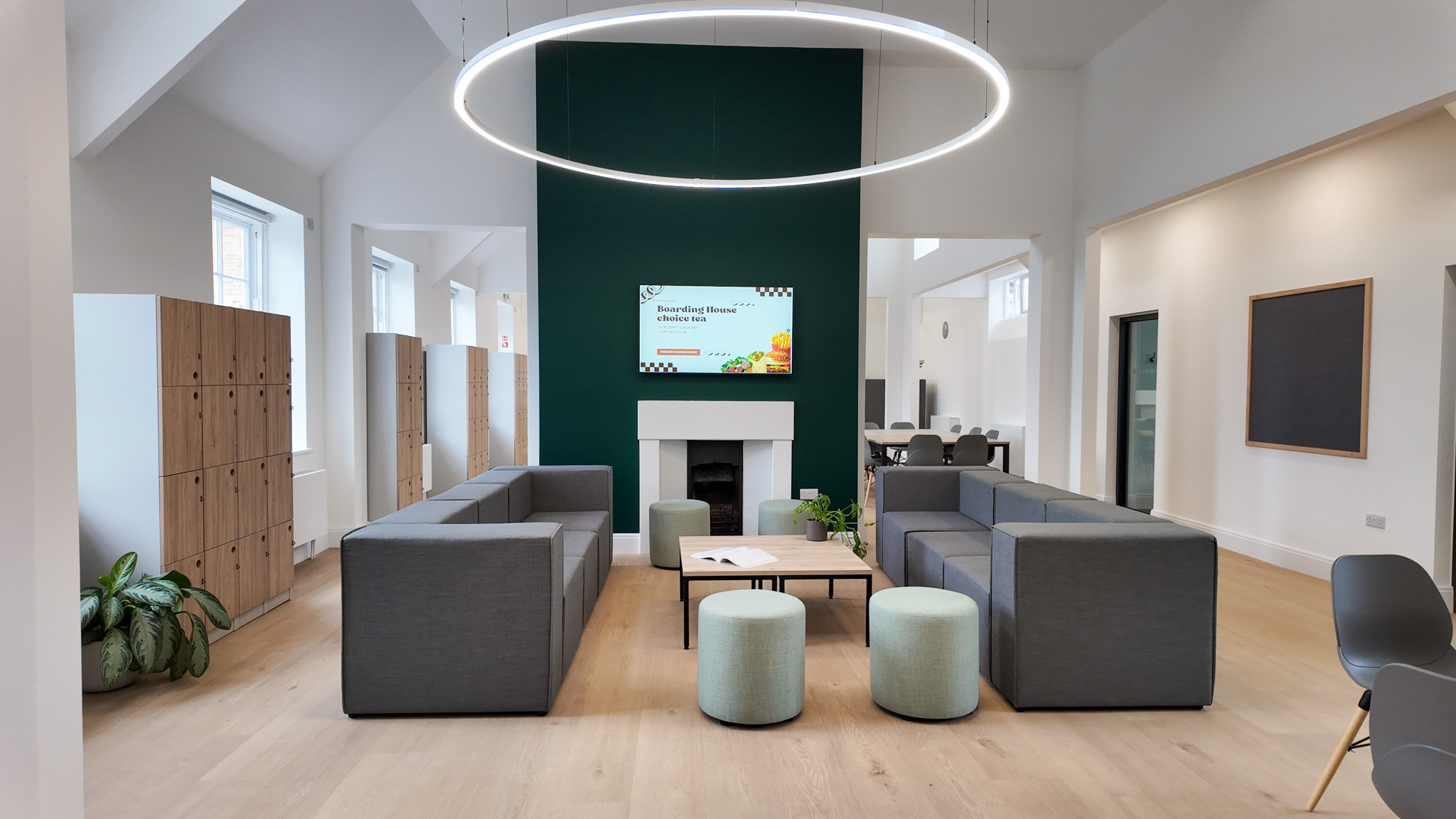
It’s time to stop thinking of high-quality office interior design as an optional addition to your workspace and understand that it’s a key driver of wellbeing, engagement, and productivity.
Here, we’re taking a closer look at how your office interior design impacts wellbeing at work, and what you can do about it as part of your next commercial office refurbishment project.
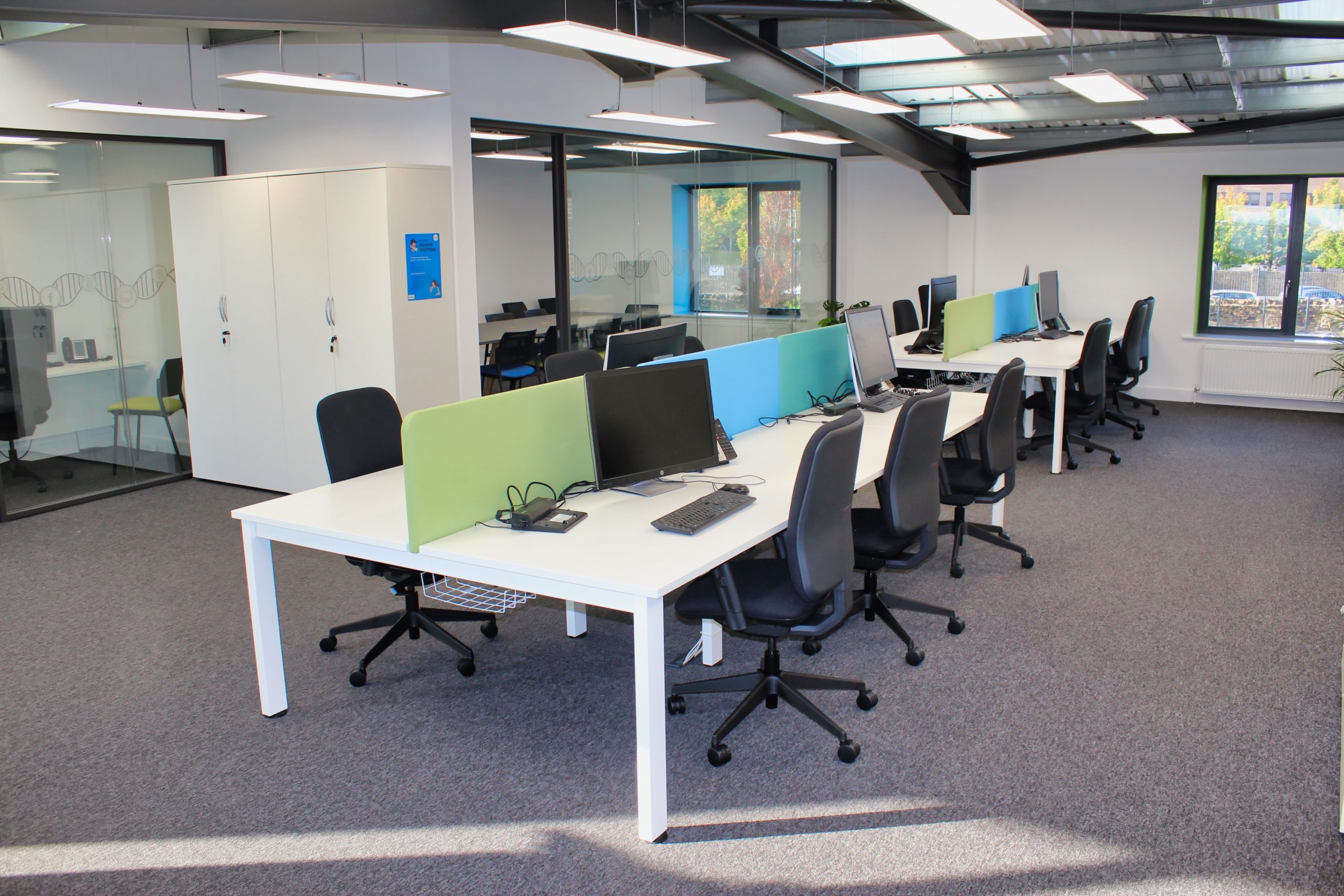
Why does wellbeing matter at work?
Research has repeatedly shown that workplace design directly impacts employee health and wellbeing. But this isn’t just about everyone feeling good and having a nice time. With improved workspace design and wellbeing comes measurably higher productivity, not to mention improved retention and return-to-office (RTO) uptake.
And it makes sense – the more physically and mentally comfortable your staff feel, the more time they want to spend in the office, and the more energy and focus they can give to their work. But where do you start?
Before you paint your office ‘calming blue’ and consider that job done, take a look at our tips below. From ergonomic workspaces to acoustic solutions for open-plan offices, here are some of the ways you can support employee wellbeing through interior design.
How to incorporate workplace wellbeing into your design
Sit comfortably: Ergonomic office interior design
Musculoskeletal disorders are no joke – they accounted for almost 20% of working days lost in 2024/5, according to the Health and Safety Executive. Poorly designed workstations (often chosen because they’re cheap or look good) can contribute to this issue by encouraging poor posture, which can exacerbate aches and pains and lead to higher levels of absenteeism.
On the other hand, ergonomics-focused interior design ensures good working posture and improved wellbeing and productivity. This can include sit/stand desks, adjustable screens, and fully adjustable office chairs to meet each employee’s needs. In fact, according to a 2018 study published in the BMJ, the use of sit/stand desks has been shown not only to reduce occupational fatigue and daily anxiety, but also to improve engagement and productivity.
Return to nature: Biophilic design for office spaces
You only have to look around an artificial office space with a lack of natural light and greenery to see how it can negatively impact wellbeing. Headache-inducing fluorescent lighting and uninspiring grey walls aren’t just sore on the eyes; studies show that they can also cause disruptions to sleep patterns, anxiety, stress, and reduced workplace performance.
Instead, opt for ‘biophilic’ design for your office space. This just means adding more of the natural world into your space by maximising natural light in your office design, using organic materials, and incorporating greenery throughout. Not only is this more likely to entice your team back into the office, but it’s scientifically proven to improve health and performance at work.
Balance connection and concentration: Office layout and wellbeing
Many modern workspaces have done away with labyrinths of walls and cubicles, instead adopting open-plan office designs to promote collaboration across teams. While open-plan, collaborative office spaces absolutely have their perks, they can have one major drawback if not designed well – increased noise.
It likely doesn’t come as a shock that noisy open-plan office layouts can have a negative impact on employees’ mental health. Excess noise can increase stress and negative mood, and decrease focus on work-related tasks. Noise is also a commonly cited reason for employees to continue working from home where they’re unlikely to encounter 50 other coworkers loudly discussing their weekends.
The good news is that there are many acoustic solutions for open-plan offices you can use to dampen excessive noise, improve concentration, and support wellbeing. From ceiling-mounted panelling and sound-absorbing carpets to acoustic booths and room dividers, there’s an acoustic solution to match your space and budget.
To take this further, consider adding specific zones within your office layout for quiet, focused work, or even incorporating privacy pods for staff to take calls to cater for different needs across your team.
Create spaces to unwind: Breakout and restorative areas
‘All work and no play makes Jack a dull boy’, but it can also lead to fatigue and burnout in your teams. Research has shown that regular ‘micro-breaks’ can reduce fatigue and improve overall wellbeing and performance. But if there are no pleasant, functional spaces in your commercial office where staff can be encouraged to take breaks throughout the day, you may see negative effects on your team’s wellbeing.
In your next commercial office refurbishment, consider including social or breakout area designs for your employees to take short breaks throughout the day. Breakout spaces can be multi-functional, used for breaks between tasks as well as team training and workshops, making them a versatile addition to your workspace and staff wellbeing initiatives.
See how it’s done
Take inspiration from some of our other commercial office refurbishment and design projects.
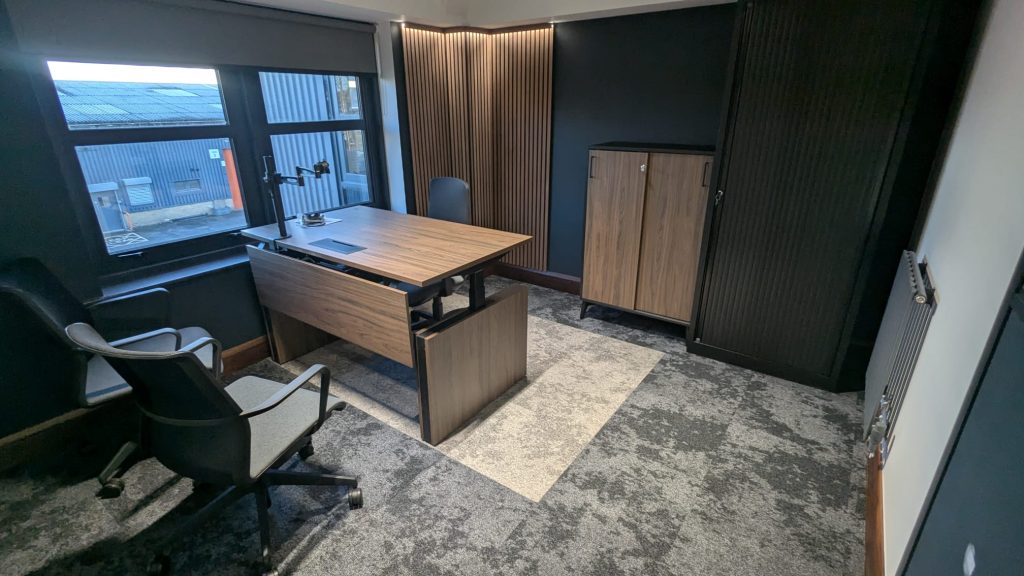
Brownridge Transport
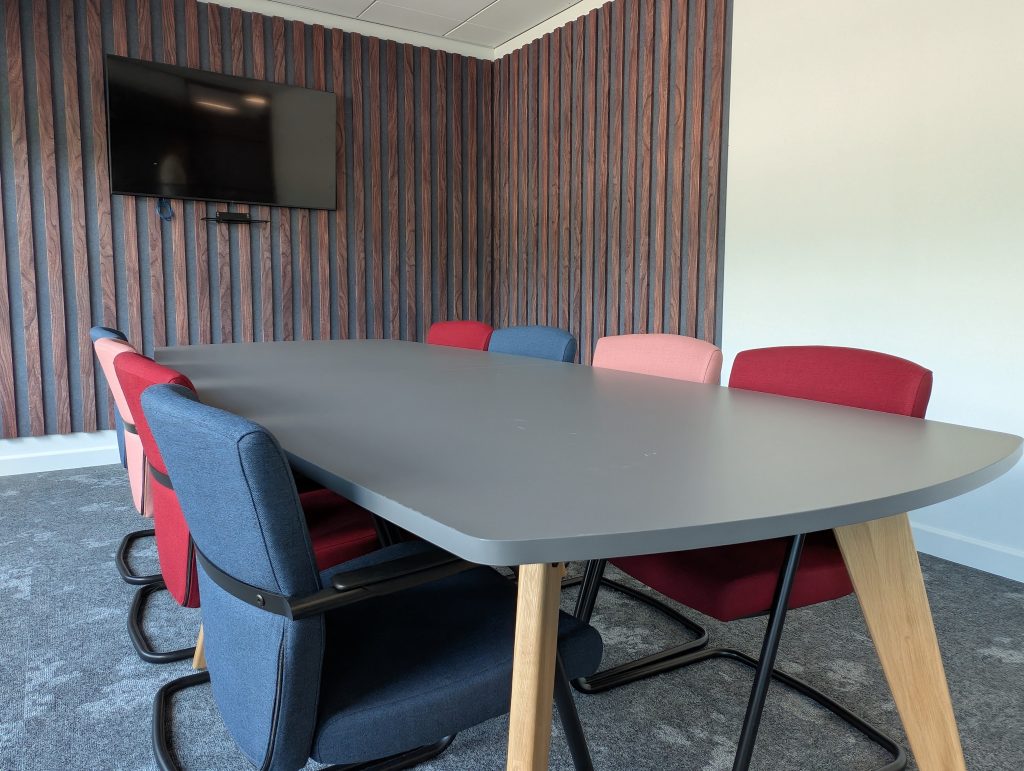
Newsquest Warrington
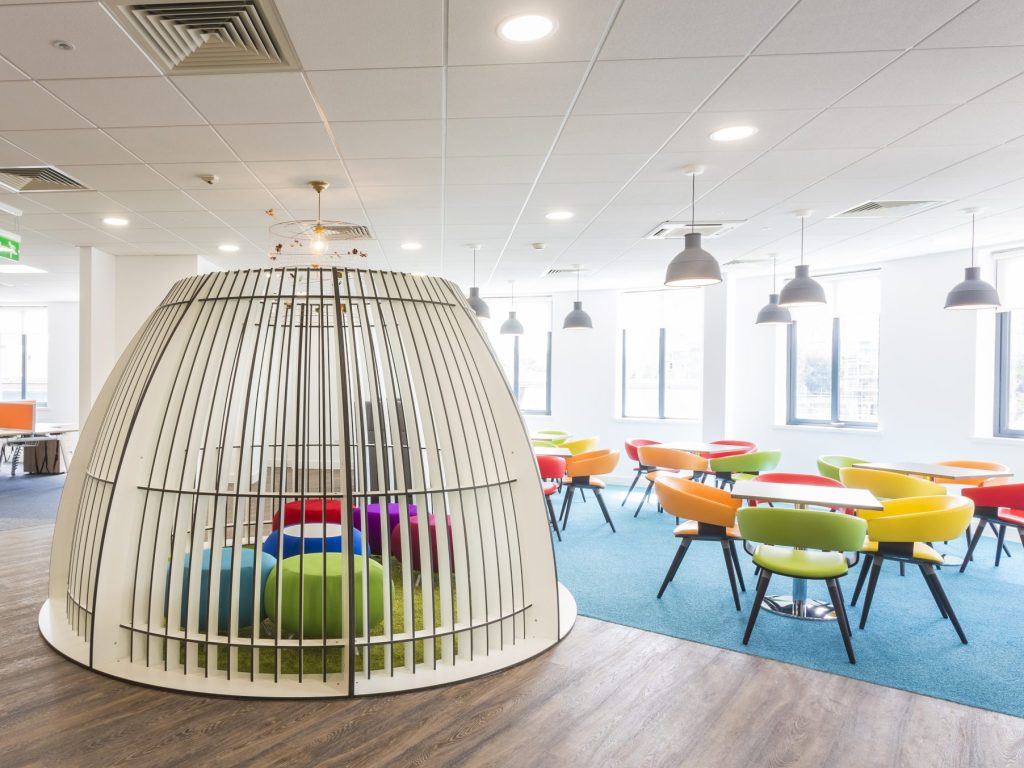
Provident Financial
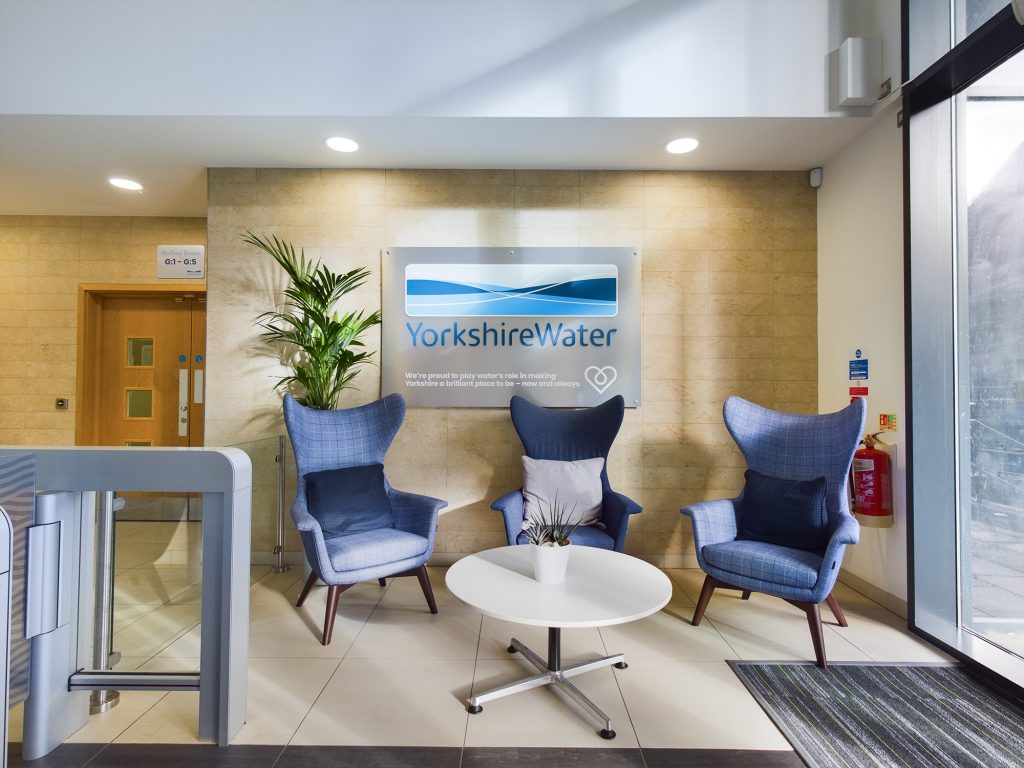
Yorkshire Water
As we’ve seen, office interior design and wellbeing are closely linked. Making deliberate decisions during your commercial office refurbishment can support your team’s physical and mental health, which in turn reduces absenteeism and boosts productivity.
Get support with workplace wellbeing design
Speak to the Richardsons team today to start designing an office interior built around your team’s wellbeing.