

SEN Spaces
Create inclusive spaces for all students to meet their full potential
Design educational spaces for students with SEN
18% of school pupils in England have an identified Special Educational Need (SEN), and designing inclusive spaces is essential for supporting them to meet their potential.
By working with Richardsons, you can create school spaces designed for all students to thrive, with inclusive classroom furniture and SEN school equipment to meet all needs.
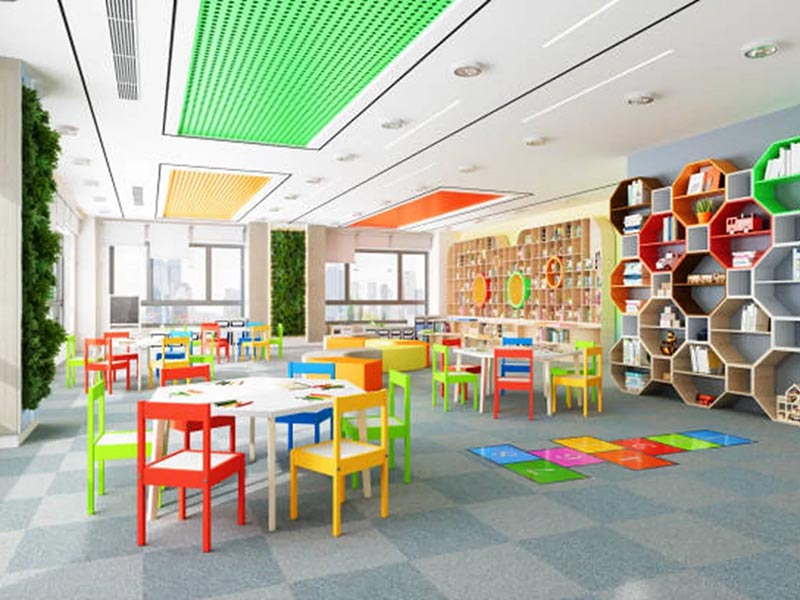
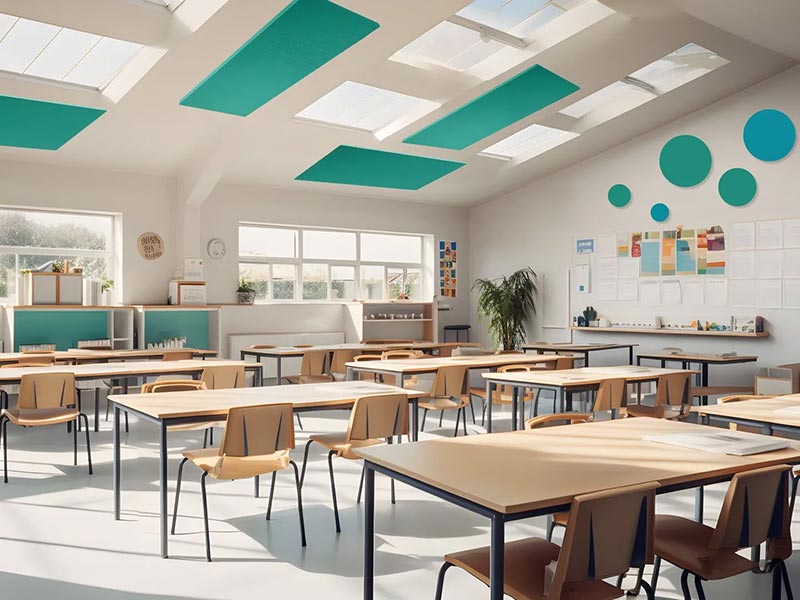
Adapt your space for every need
No two pupils are the same, whether they have SEN or not. So flexibility in educational spaces is essential.
Inclusive classroom furniture, like height-adjustable desks and flexible seating, provides ways for all students to access and engage with their education.
Build sensory-friendly spaces
For many pupils with SEN, too many noises, colours and textures can be overwhelming.
We’ll work with you to design sensory-friendly spaces and source SEN classroom furniture that minimises distraction, supports wellbeing, and allows students to focus on their learning.
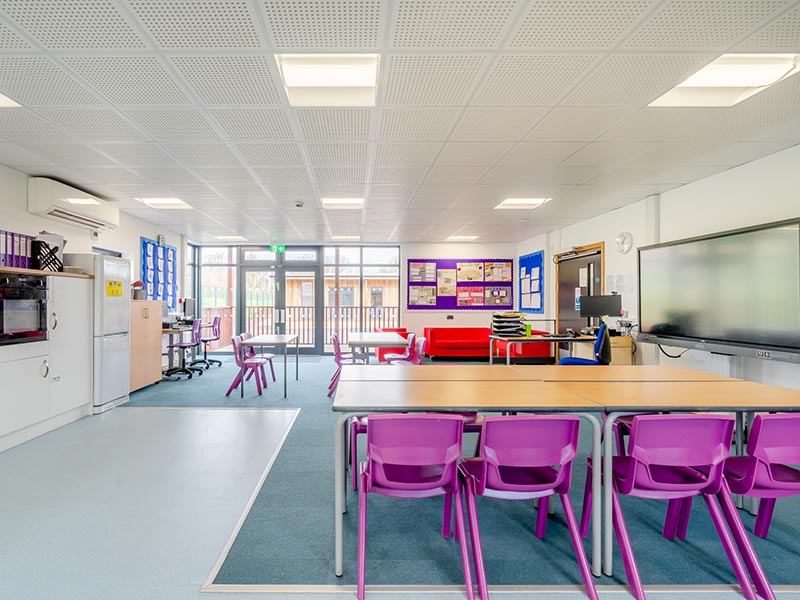
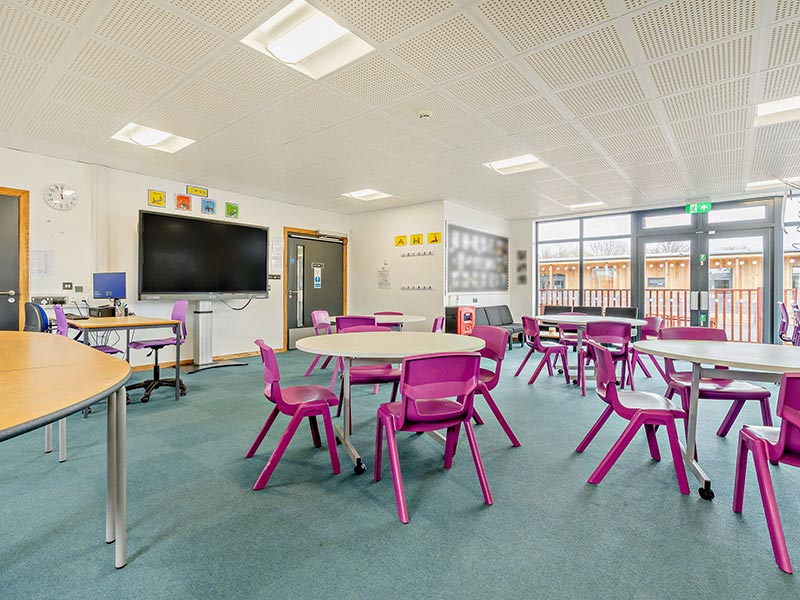
Create a sense of calm
Clutter and chaos are distracting for staff and students alike, and especially those with SEN.
In a well-planned space, solutions like room dividers, acoustic panelling and smart storage make it easy to stay organised and create a calm atmosphere for teaching and learning.
Incorporate SEN-specific spaces
Whether you’re designing a new school building or refurbishing your existing space, incorporating a SEN hub can offer bespoke support.
We can help you design inclusive, SEN-specific spaces fitted with equipment such as sensory room furniture to meet all of your students’ needs.
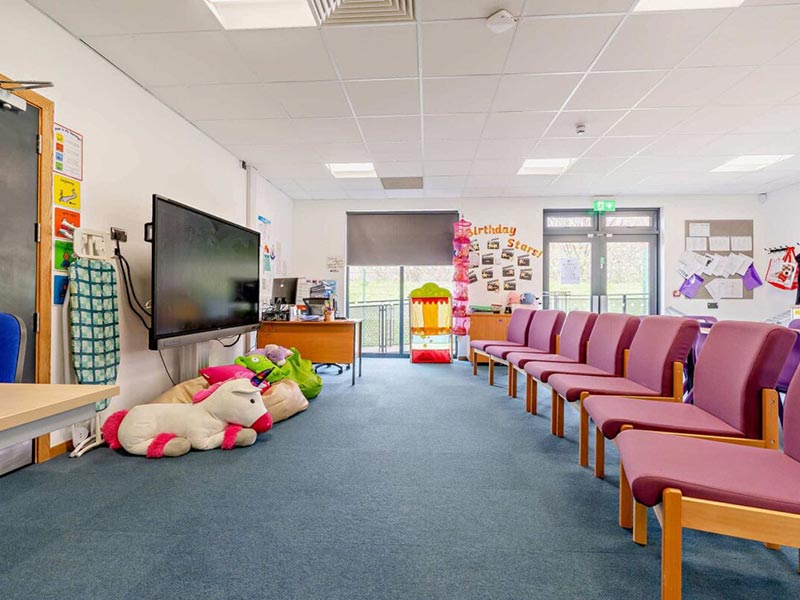
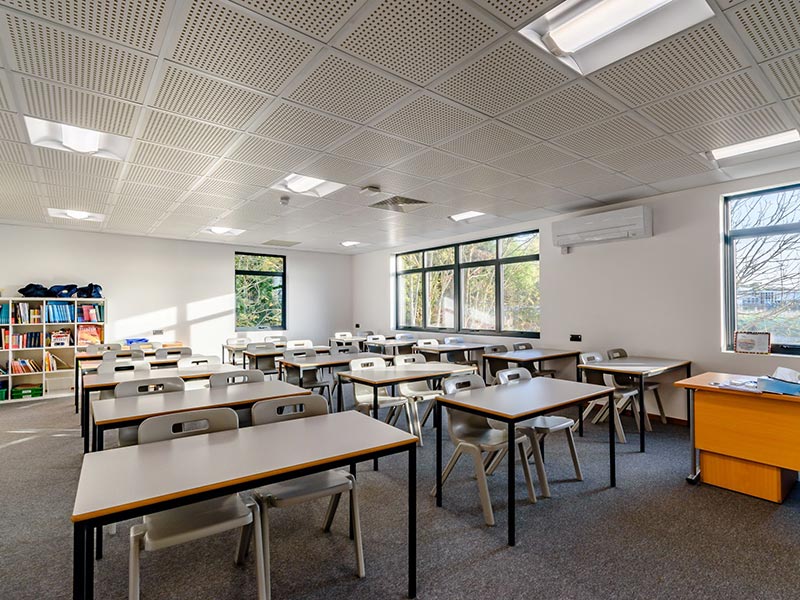
Special educational needs furniture experts
Give all of your students the support and environment they need to reach their full potential. We’ll work with you from ideation and planning through to sourcing and installing SEN classroom furniture to create inclusive educational spaces where all students thrive.
Frequently Asked Questions
How can inclusive classroom furniture help students with SEN?
Inclusive classroom furniture can not only improve physical comfort, independence and accessibility for students with mobility needs, but it can also support sensory regulation.
Inclusive furniture includes items like height-adjustable chairs and tables with minimal physical barriers (like chair arms for example). It’s also about thinking about the colours, textures, materials and safety of the furniture. Some children with SEN find too many colours and textures overwhelming. Think about stripping your palette back to something that’s still warm and welcoming, without being overstimulating; matte finishes on tables and warm lighting, for example.
What features are included in sensory-friendly spaces for SEN pupils?
There are a range of features you can include to make a space more sensory-friendly for SEN pupils. Every element needs to be about making sensory regulation easier. This starts with the lighting and even the walls.
Use calm, warm, adjustable lighting (even lamps) to avoid harsh fluorescent glare and acoustic insulation to block out any distracting noises from outside the space. From there, think about using a minimal, calming palette so students don’t become overwhelmed by too many bright colours.
How does flexible seating benefit SEN pupils?
Flexible seating allows you to adapt to the needs of the individual pupils.
Seating might not look like what you’d traditionally see in a classroom. It might also include wobble stools, stability balls, beanbags, and standing desks. Not only do pupils have a choice of what they’d find most comfortable, but it can also create opportunities to practice balance and motor skills.
How can schools create a sense of calm and reduce distractions for students with SEN?
Think about how you might calm the five senses with your interior.
As well as using calm, warm lighting and reducing outside, distracting noise as much as possible with acoustic panelling, touch is a brilliant way to emotionally regulate. Consider tactile elements that students can engage with in a non-distracting way (sensory wall panels, weighted blankets, etc).