

70% of companies are now introducing RTO (return to office) policies, with just under 95% of leaders feeling employees should be in the office for at least part of the week, believing this will create greater employee connection, creativity and collaboration. However, less than half (42%) of employees say they’d go along with being back in an office full time.
So, how do leaders create an office environment that encourages staff to come back more regularly?
It’s not all about benefits
If you ask them, most people won’t turn their nose up at things like free parking, free on-site food and drink or even an on-site gym with membership included. While these are still great benefits, they’re not necessarily enough to get people back in full time. Many argue they have all these things at home and don’t have to consider the time and money spent commuting to get them.
But if you want staff back in the office more regularly, you have to think beyond hot beverages and parking spaces.
Employees want to keep their flexibility
Possibly the biggest resistance leaders will meet when it comes to RTO, is the loss of flexibility, particularly for those employees who have caring responsibilities.
The rigid 9-5 lifestyle can feel restrictive, and since Covid, many employees have found a new rhythm when it comes to their working life. The British Chamber of Commerce tells us that over 40% of businesses upped how much staff must work on site from 2024-25. As a result, 1 in 10 businesses have said employees have quit in response.
It looks like a certain amount of compromise is going to be needed from both employer and employee as you figure out what those ‘hybrid working model benefits’ look like in practice.
An office fit for the modern worker
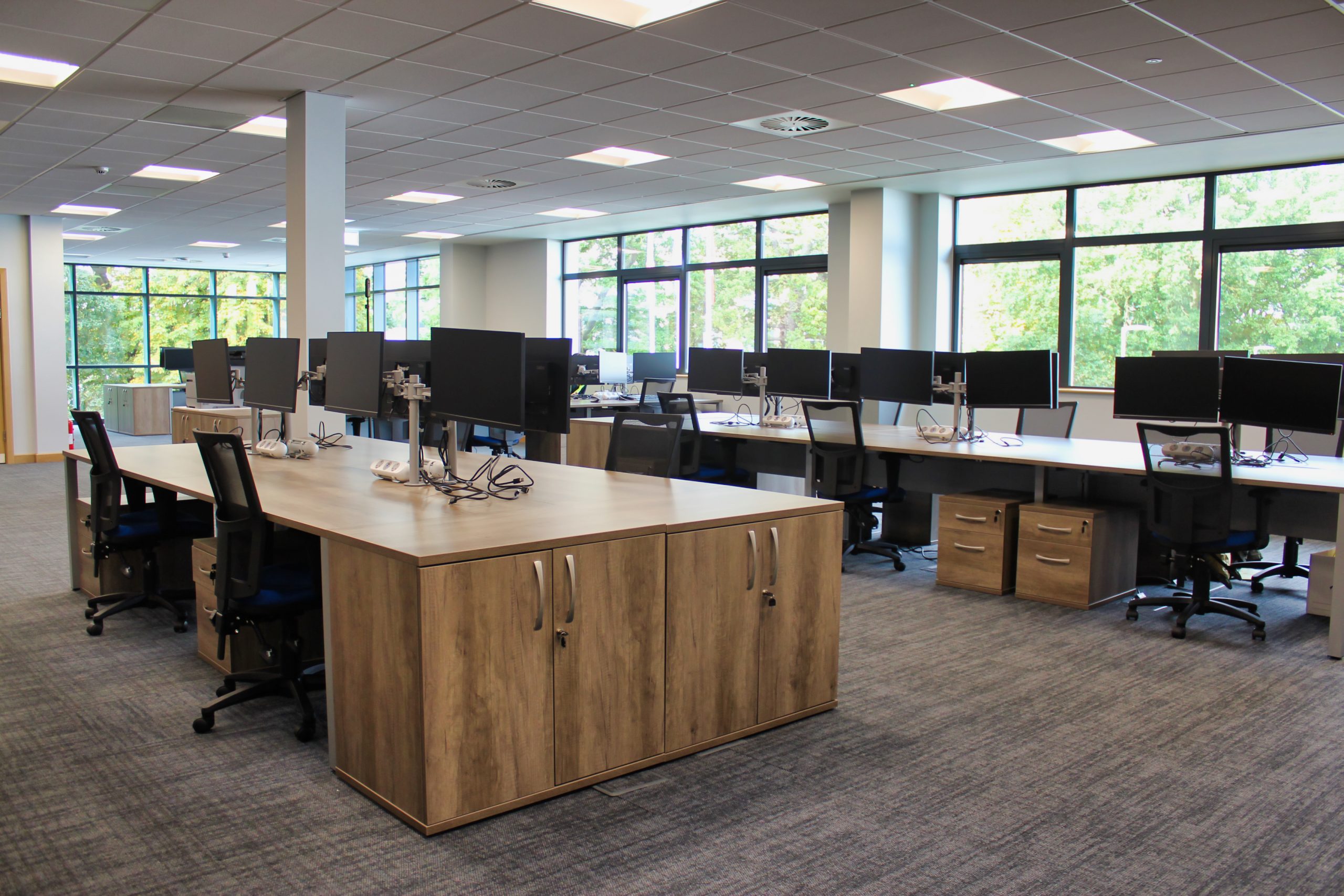
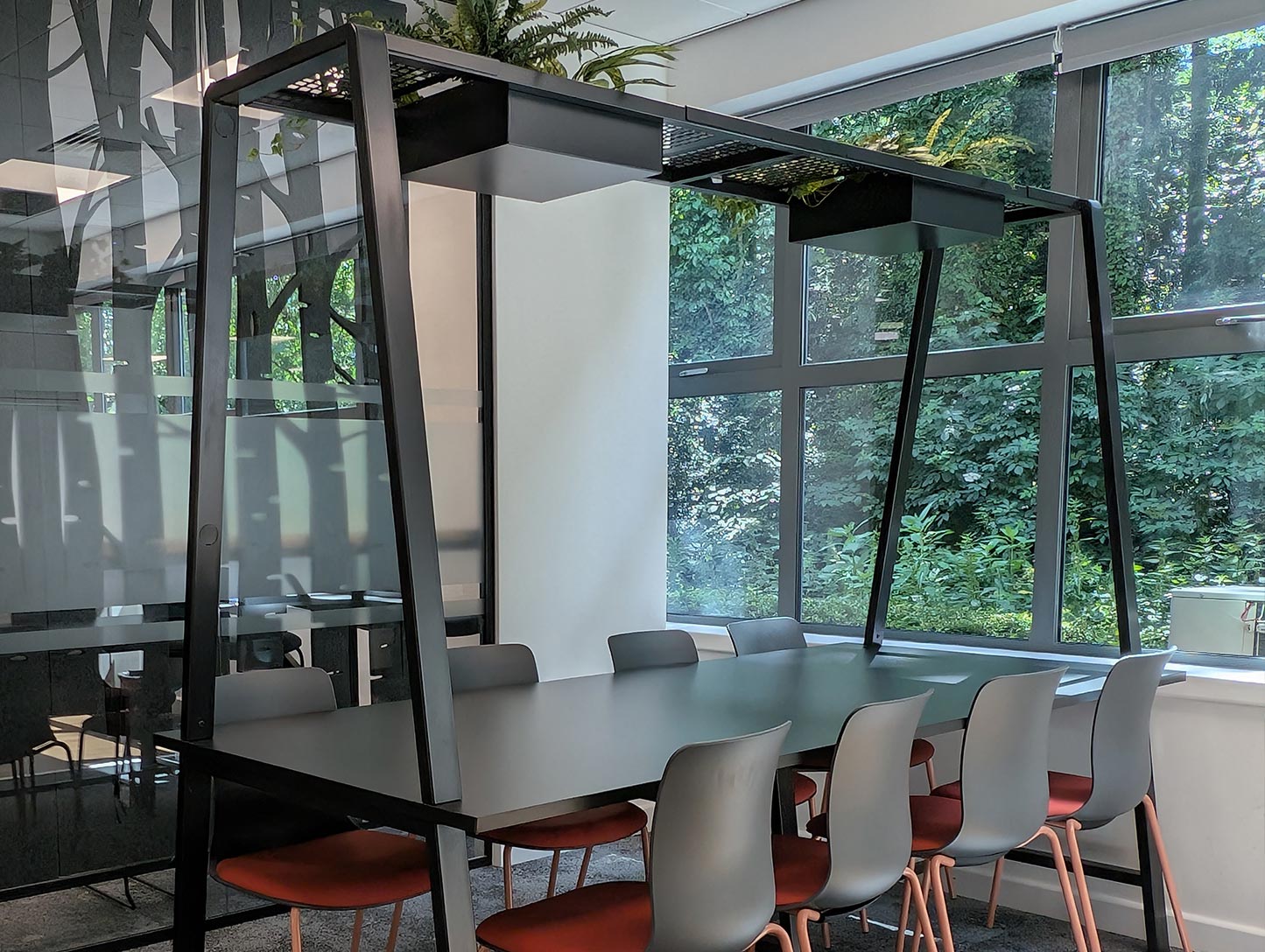
Creating an inspiring workplace environment is about more than a comfortable chair and desk (though ergonomic desks, chairs and screens should be high on your priority list). It’s about creating highly functional, comfortable spaces that employees want to go to. This is everything from colour scheme and lighting to plant life and ambience.
If your office is full of run-down furniture, outdated appliances and a bland grey-and-white colour scheme with harsh overhead lighting, it’s going to be much harder to convince your employees to make the commute.
Meeting the needs of your team
Modern offices should think about a hybrid workspace design.
Zones for focused work
Around 63% of employees say their office environment can be more distracting than working at home. How many times have you been trying to focus on something when your colleagues a row over start having the loudest conversation you’ve ever heard?
Make sure you have comfortable, designated quiet zones where team members can focus without distraction.
Zones for collaborative work
Create somewhere that genuinely inspires creativity and collaboration.
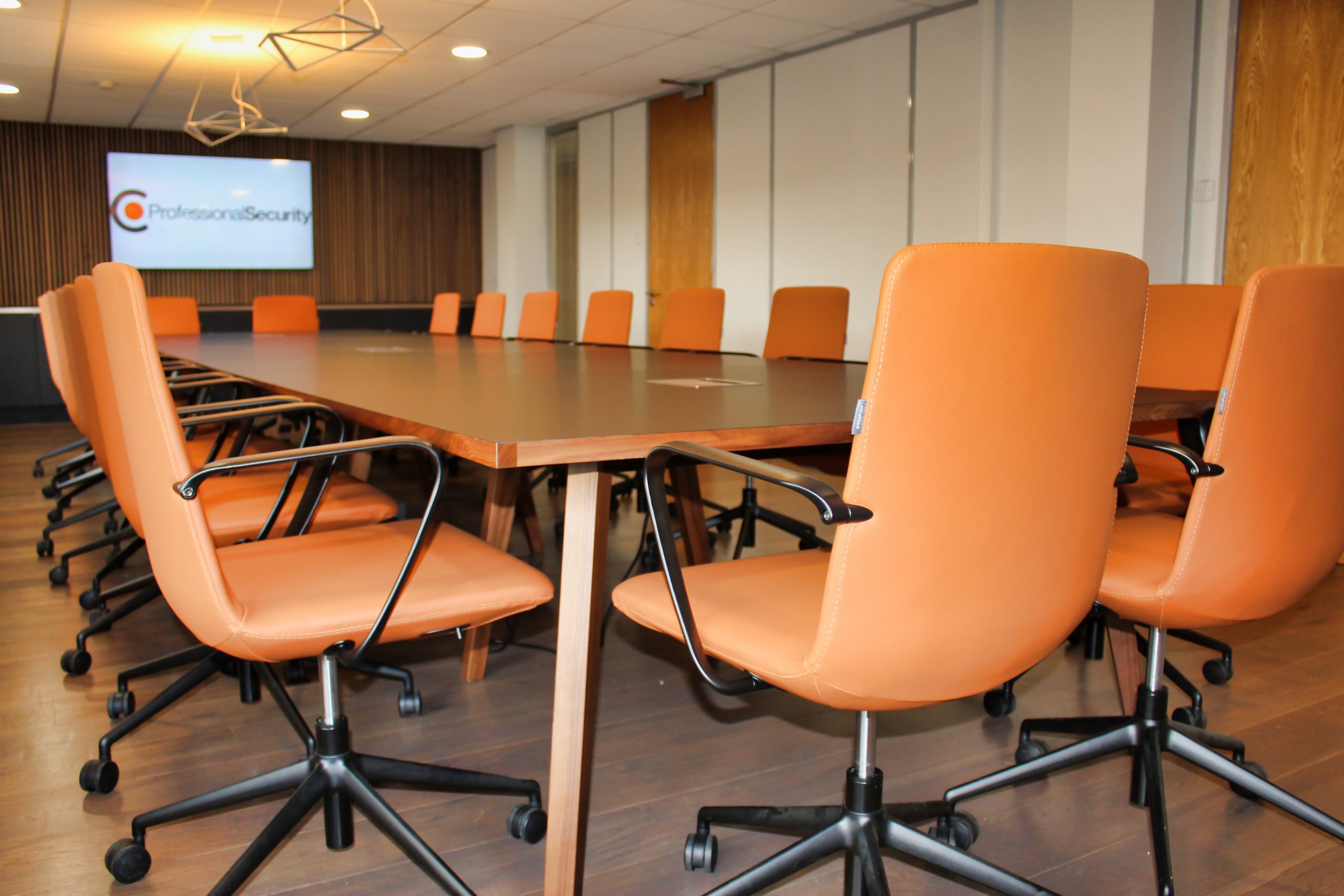
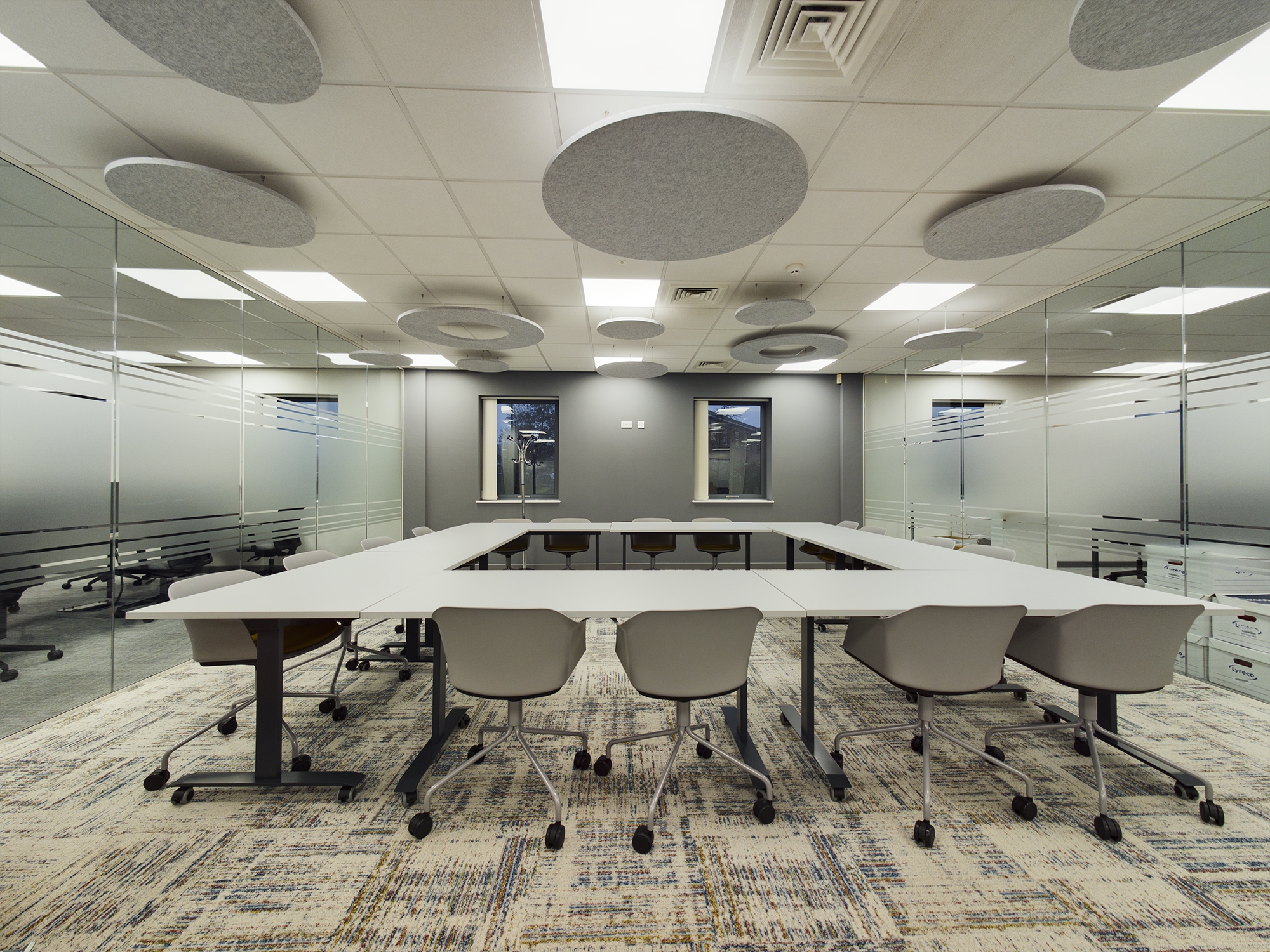
If you’re telling staff that you’d like them back in the office because you believe it will encourage more collaborative working, you need to provide them the space to do that; whether that’s smart meeting or conference rooms or flexible desks and workspaces.
Friendly, inviting social areas
Create spaces where teams can enjoy more laid-back time together without distracting others (no one needs a ping pong table nearby when they’re trying to concentrate). This should be fit for purpose with a range of seating suitable for eating, relaxing, and enjoying the space together.
Hybrid conferencing technology
If you’re joining the 74% of businesses offering a hybrid working model, there will probably be times when you have staff on site and staff at home. For a more seamless working day, you’ll want to make sure your office is equipped with the latest video conferencing technology to ensure smooth sailing for hybrid meetings.
Ask your team what they need
If in doubt, ask your team what they need and want from their workspace that will encourage them to come back more regularly. For some people, this will be something as simple as better-quality coffee. For others, it might be that they really need those quieter spaces to be able to maximise their productivity.
You might not be able to fulfil every item on the wishlist, but at least you’ll know what the top priorities are and you won’t waste valuable budget on employee engagement strategies that aren’t going to work.
This can also be a chance to find out if any of your team members who’ve previously worked remotely need any adjustments in order to use the office effectively: screen readers or specific accessibility, for example.
A real sense of community and culture
Once you’ve created the workspace of your teams’ dreams, it’s time to put it to good use. Positive company culture isn’t created by simply having people together in the same place at the same time.
It’s about using collaborative and social spaces to create a real sense of community. That might be hosting organisation-wide social events, bringing in speakers or industry leaders, or inviting other businesses to come and enjoy your space. Whatever it is, you want to create an environment where people don’t just feel like they’re coming to work; they’re part of something bigger.
See how it’s done
Take inspiration from some of our other workspace fit-out and office design projects.
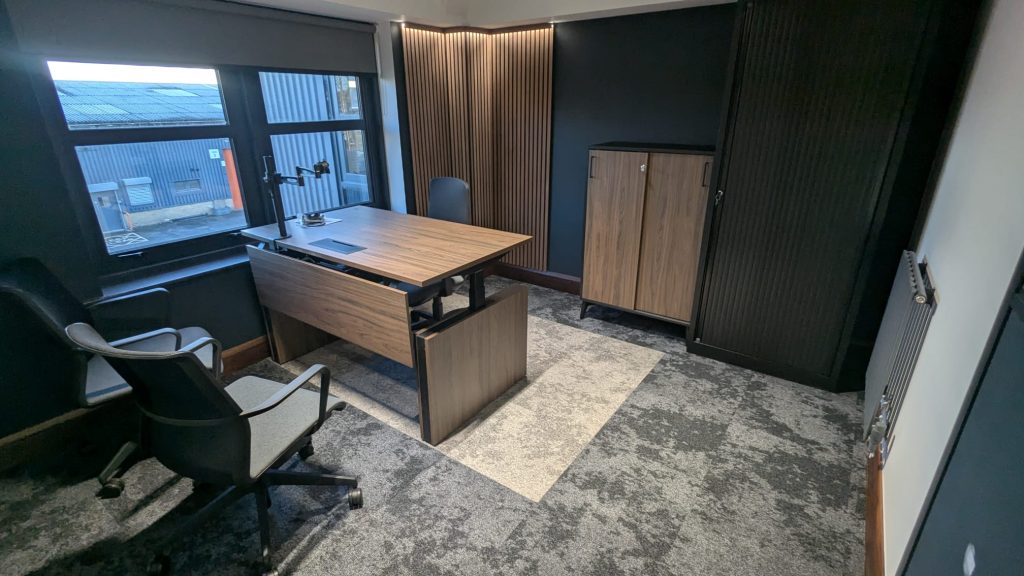
Brownridge Transport
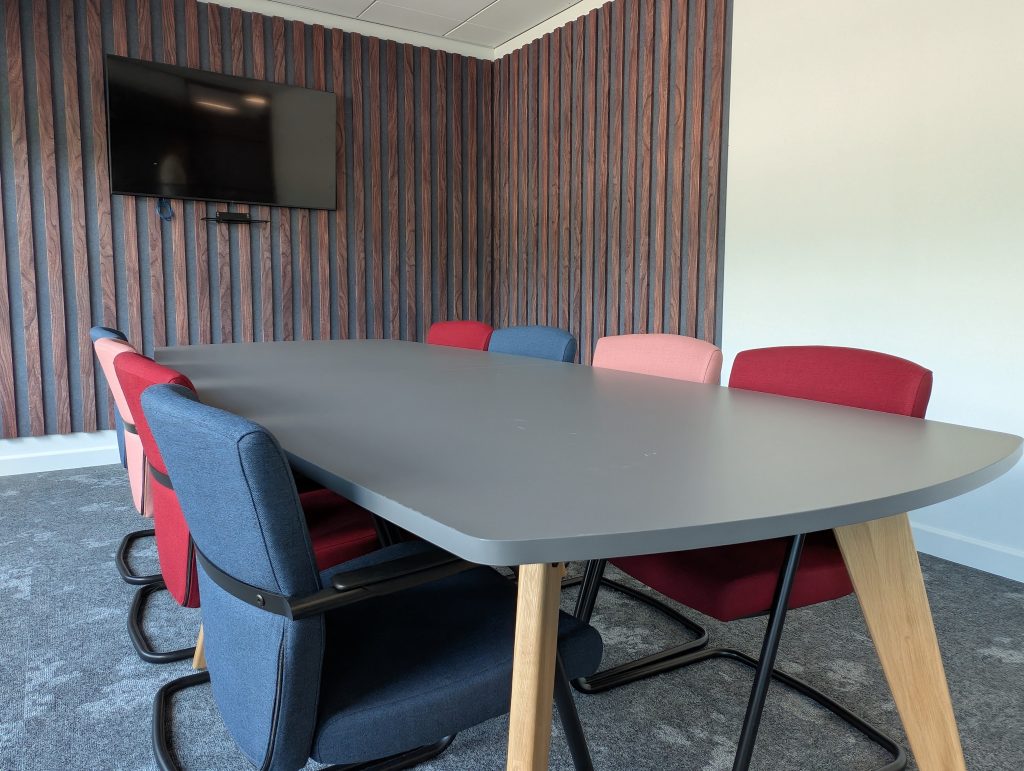
Newsquest Warrington
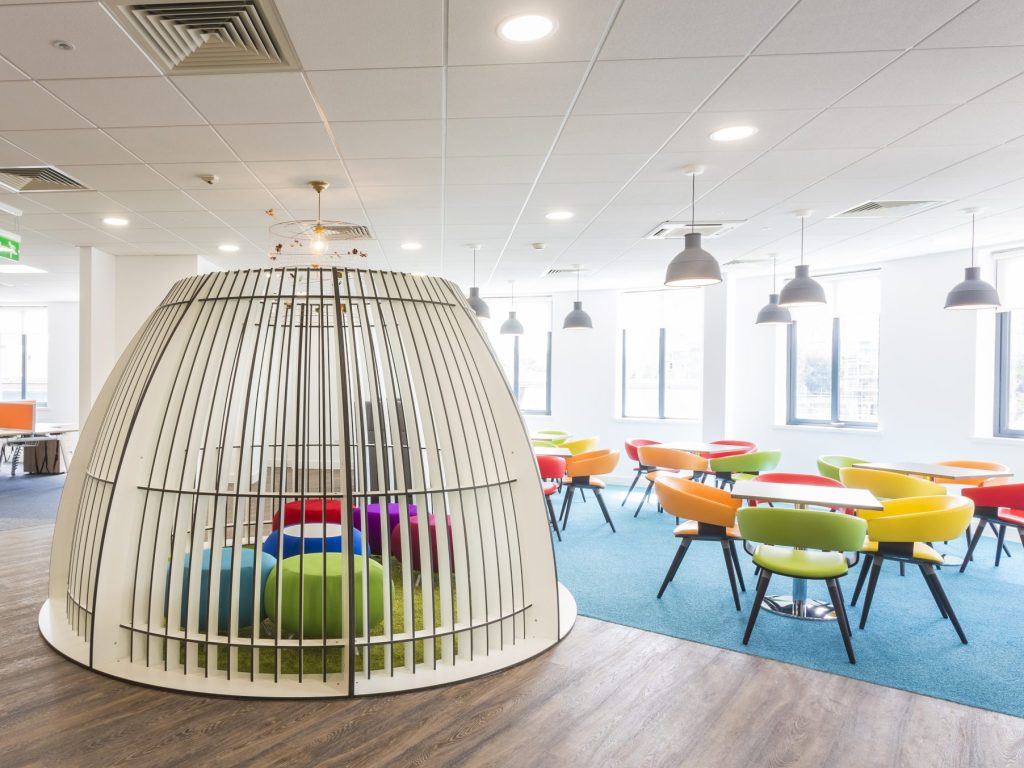
Provident Financial
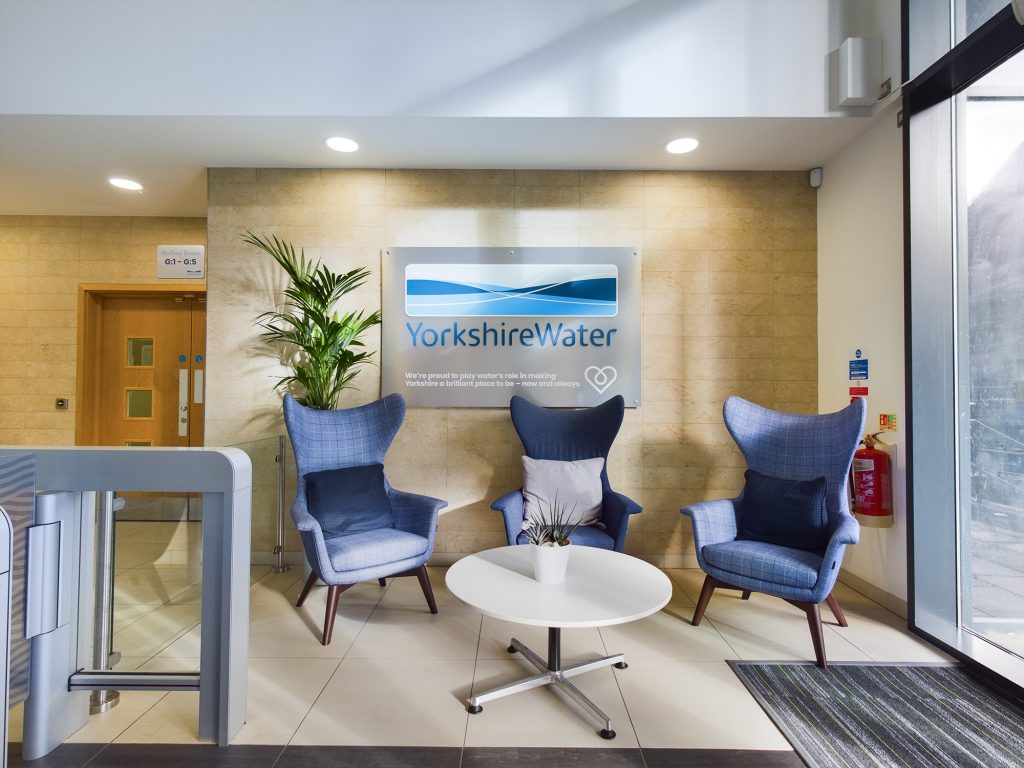
Yorkshire Water
Start your workspace fit-out
Speak to the Richardsons team about office design that will entice your team back in. We’ll manage the process from start to finish, creating a unique workspace that helps you get the most out of your team.