

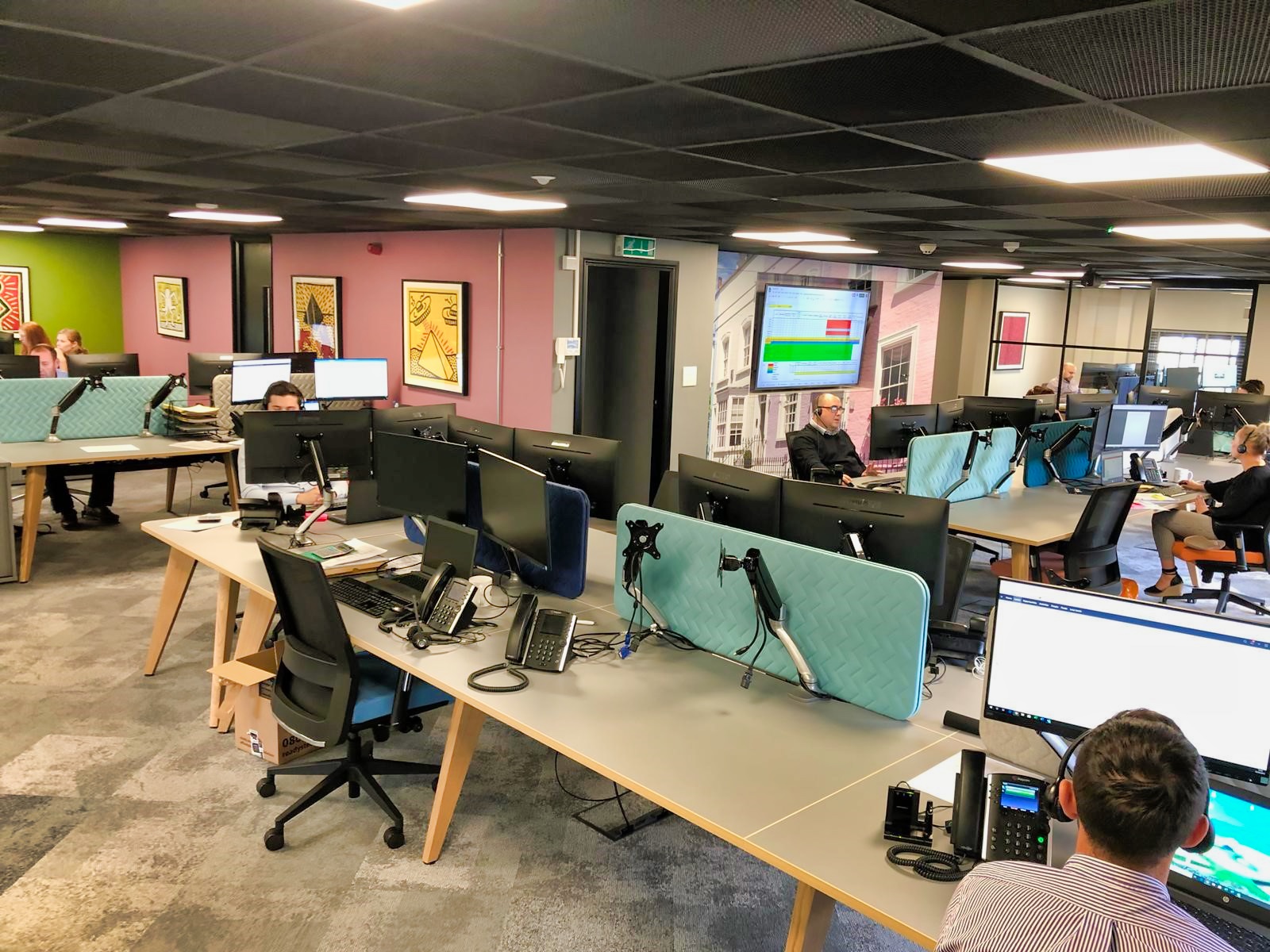
Over 50% of teams are now using hybrid working models, with businesses wanting to bring their people back together for more collaborative working. For many organisations, this now means promoting a hybrid or flexible working model, with their teams split between home and the office.
But since the pandemic, the things people want from an office have changed. It’s not just about getting bums on seats in a white, lifeless box any more. These days, teams expect more when you’re asking them to make the commute – including seamless transitions from home to the office.
If you’re one of the growing number of companies bringing people back to the office, here are some hybrid office design considerations to keep in mind for your modern, post-pandemic teams.
What gets in the way of productivity?
If your office isn’t set up for productive, focused working, you could be losing as much as an hour of productivity per person, per week. It starts adding up! The culprits for these losses are:
Noise
Offices can be noisy places. Colleagues catching up about their weekends, holding virtual meetings with no headphones in the middle of the office, the coffee machine running a cleaning cycle… You name it. All that background noise is extremely distracting when you’re trying to focus.
Spaces with poor acoustics don’t help, with some noises amplified much more than they should be.
Uncomfortable work setup
Your staff can’t do their best work when they’re sitting in a chair that’s giving them backache.
Poor ergonomics are not only uncomfortable, they’re distracting and, in some cases, can lead to longer-lasting musculoskeletal problems for your team.
Disjointed technology
Your staff likely use laptops to work from home that they’ll bring with them back into the office. If it’s not easy for them to plug and play, with integrated power banks, desktop monitors, and high-quality internet access, they may spend more of their time in the office looking for a spare plug or wifi hotspot than actually working.
Bland environment
When your team is spending a third of their life at work, the environment should be somewhere they like being. Beige boxes can leave teams feeling pretty uninspired.
So, where should you put your design focus for a productive hybrid team?
Shared, collaborative spaces
Before remote working, dedicated desks and cubicles were the norm. Offices were places where you had to balance deep-focus work and meetings. These days, hybrid teams will often try to schedule their focus work for their work-from-home days, so as not to be disturbed by the office noise.
When it comes to design, think about flipping the ratio of your space to a majority of collaborative working spaces, rather than rows of closed-off desks. This could be banks of desks together, breakout areas and other small pockets of space colleagues can go to for informal chats or meetings. If part of the reason for getting teams back into the office is to encourage collaborative working, you need to give people inviting spaces for those conversations to happen naturally.
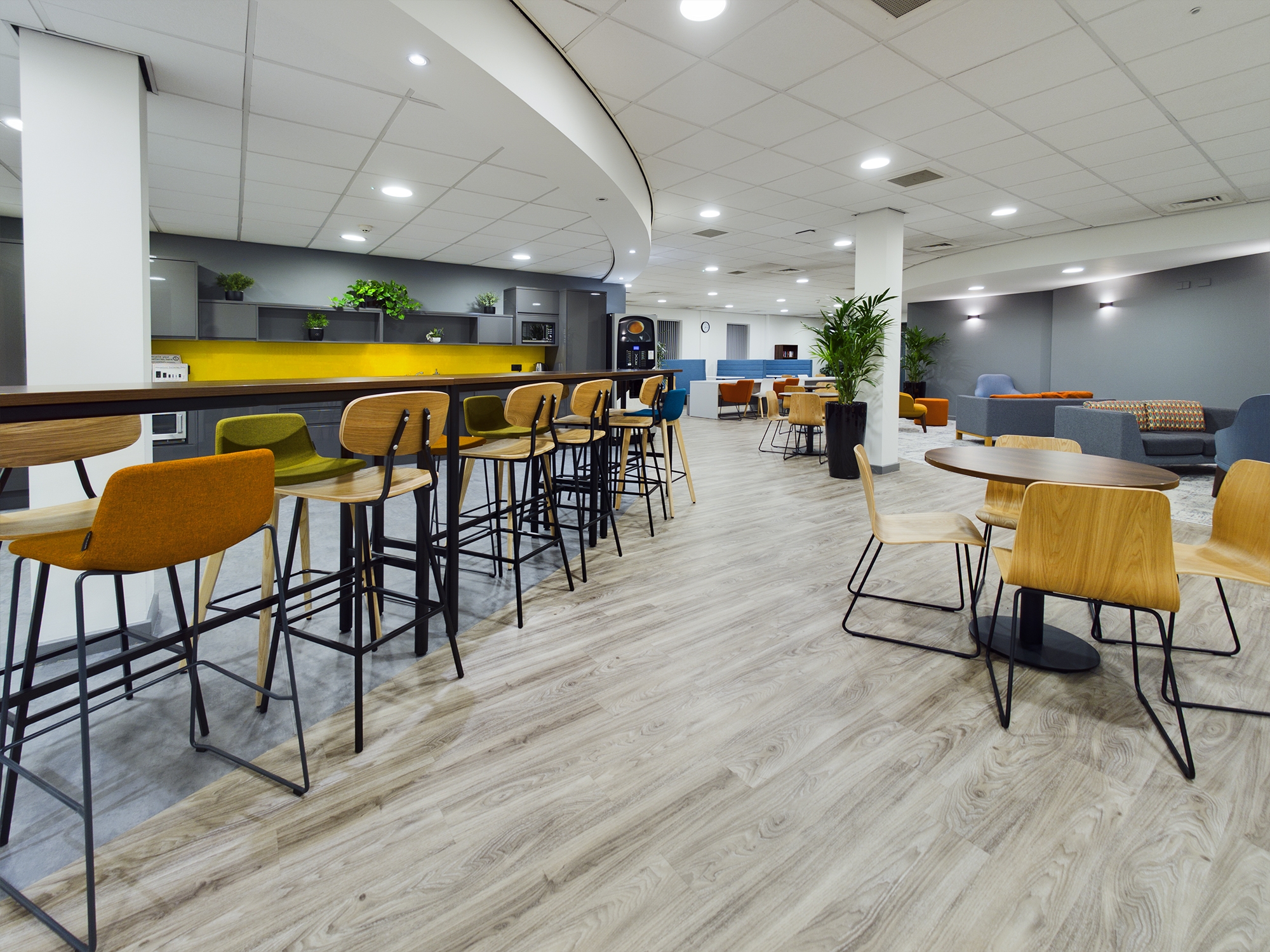
This extends to your social areas as well – kitchens, coffee bars and canteens, for example. If done well, you can make your office a real social destination. These spaces should be bright and airy with plenty of light and colour that makes people feel good.
Think about things like maximising natural light and good air ventilation. Introduce living plants to improve the air quality further, and get creative with colour palettes in the different work zones.
Focused, quiet zones
That being said, not every day can be a collaboration day, particularly for teams that are in the office 3-4 days a week. There should be enough space for quiet, focused work away from the hustle and bustle of the main office.
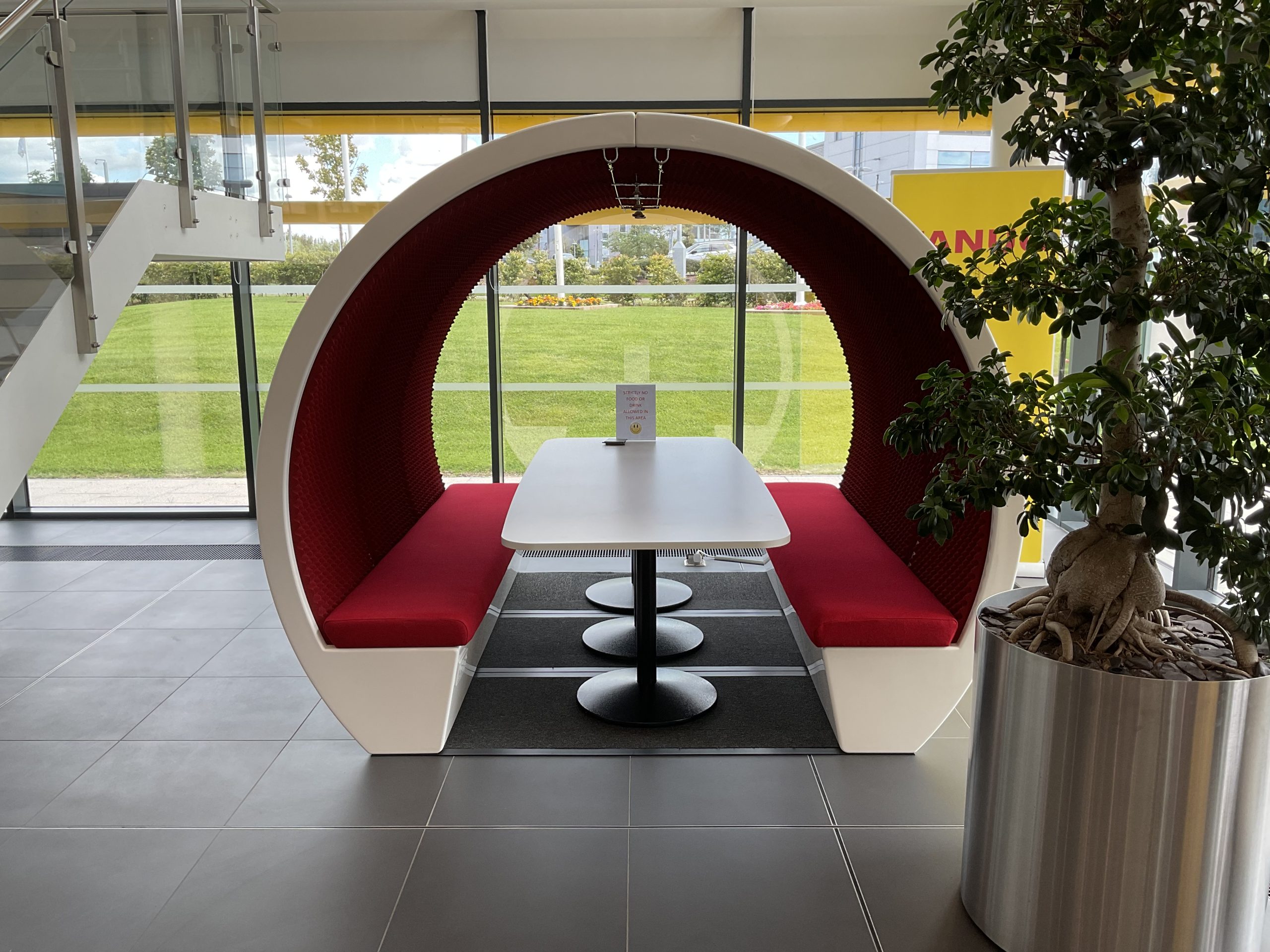
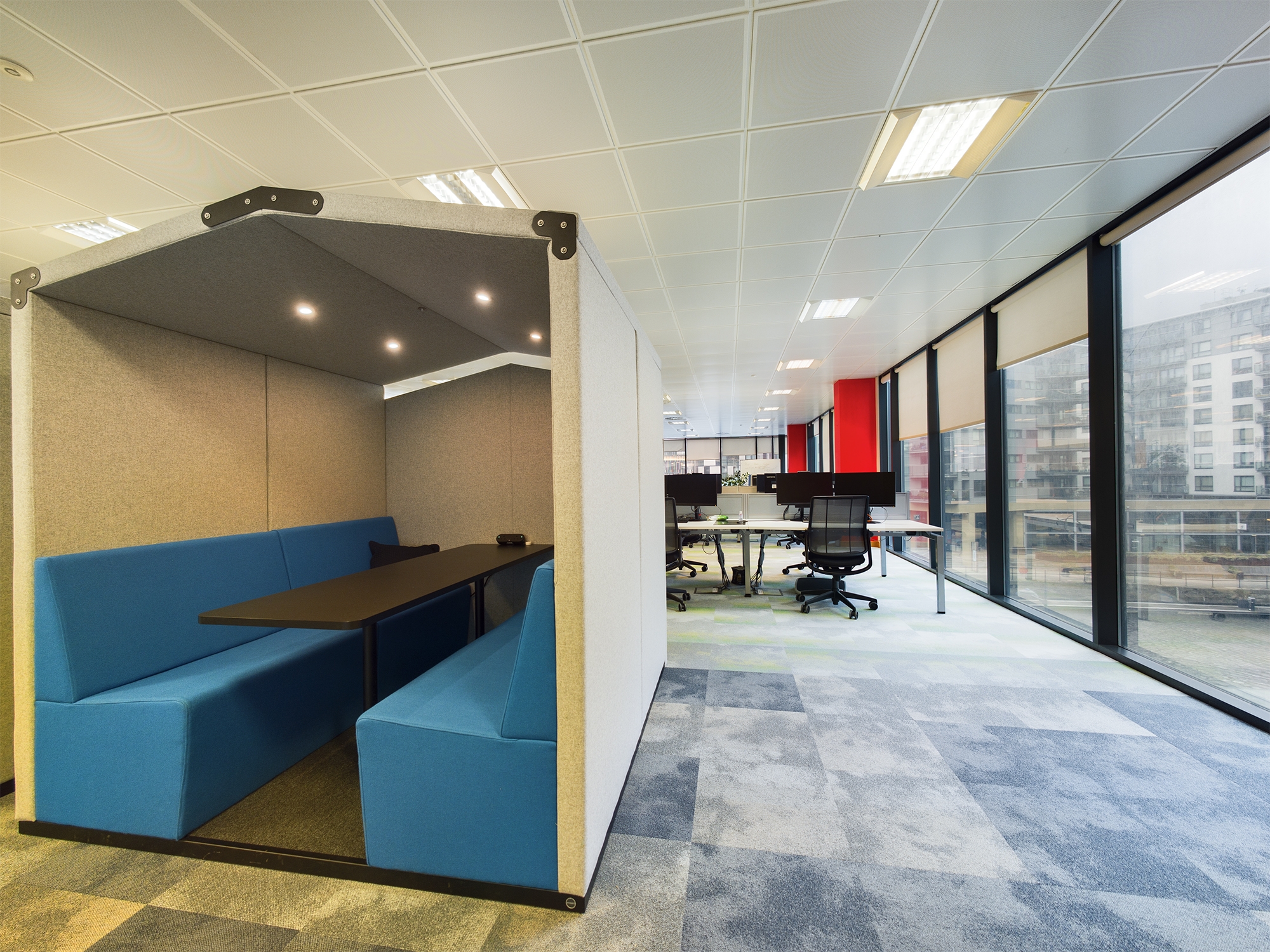
Soundproof pods or ‘quiet rooms’ can be an easy way for your team to set boundaries and get uninterrupted focused work completed. You can also use modular partitions to close off areas of the office for more private or quieter working time.
Particularly in these zones, it’s worth investing in good-quality ergonomic, comfortable furniture. If you’re trying to focus on deep work, the last thing you want is an uncomfortable chair without the right support. There are plenty of furniture options that will allow you to marry style with practicality.
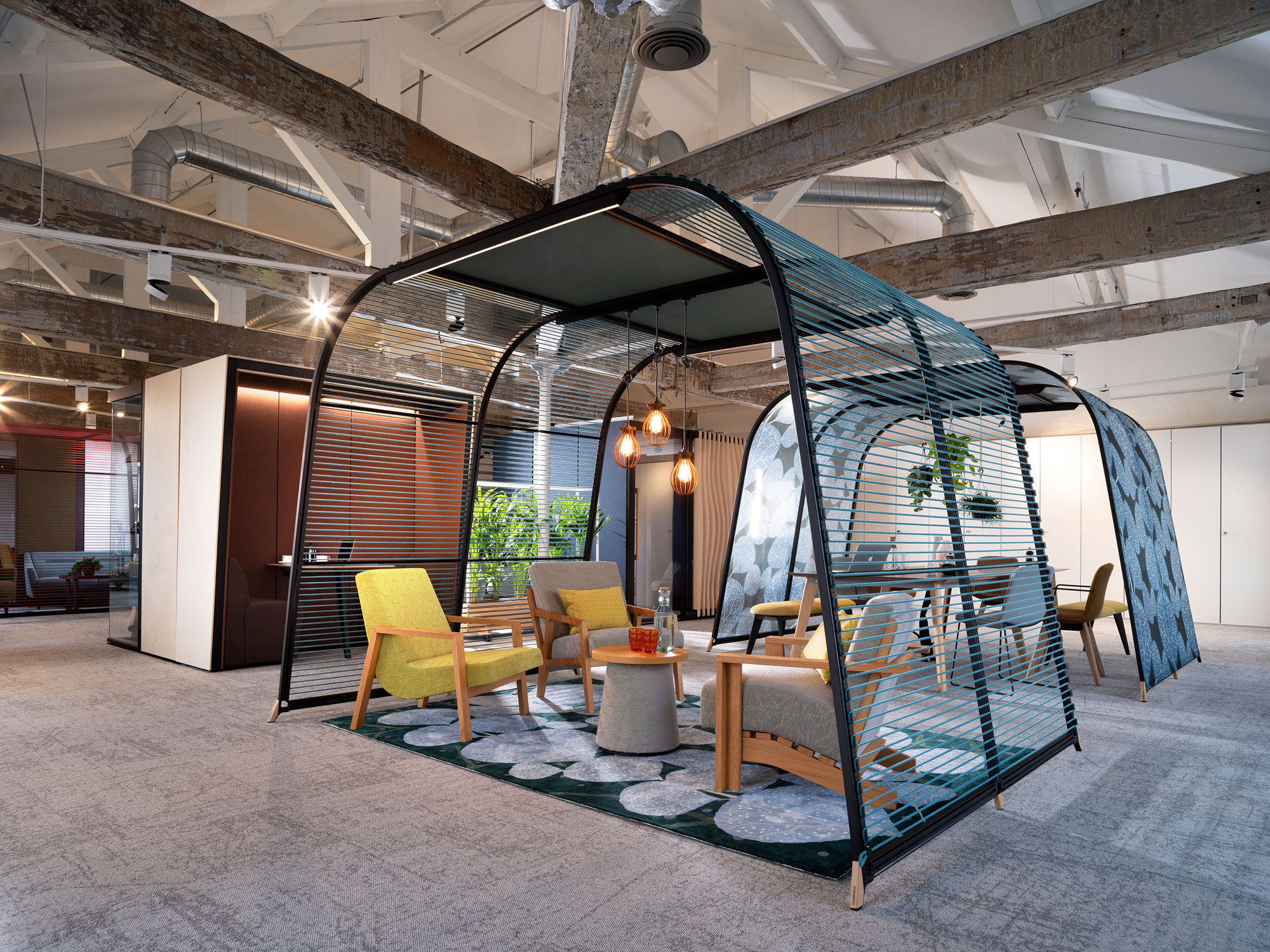
Modern hybrid working technology
This will be a key function of your hybrid office. You need to make it as easy as possible for teams to connect, especially if some are in the office and some aren’t.
Hybrid meeting rooms
Meeting rooms should be equipped with up-to-date video conferencing technology, as well as good lighting and acoustics so the person dialling in can hear clearly too. Digital whiteboards will allow you to keep that live, collaborative working approach, even if someone is dialling in remotely. It’ll save any important ideas from getting lost in a notebook or on poster paper.
Seamless hotdesking
Ensure all desks and workstations are set up with everything your team members need to easily switch from home to the office. That includes height-adjustable monitors, plenty of power sockets, HDMI cables, and a strong internet connection. The less time spent battling with technology, the more time your staff can spend producing their best work.
Online reservation systems
You may also want to consider implementing an online booking system for desks (particularly if you’re operating a hot-desking model), meeting rooms and other zones to avoid any clashes when teams are in the office. There’s nothing more frustrating than making the commute to the office to find the space you need isn’t actually available.
See how it’s done
Get inspiration from our previous hybrid office design projects.
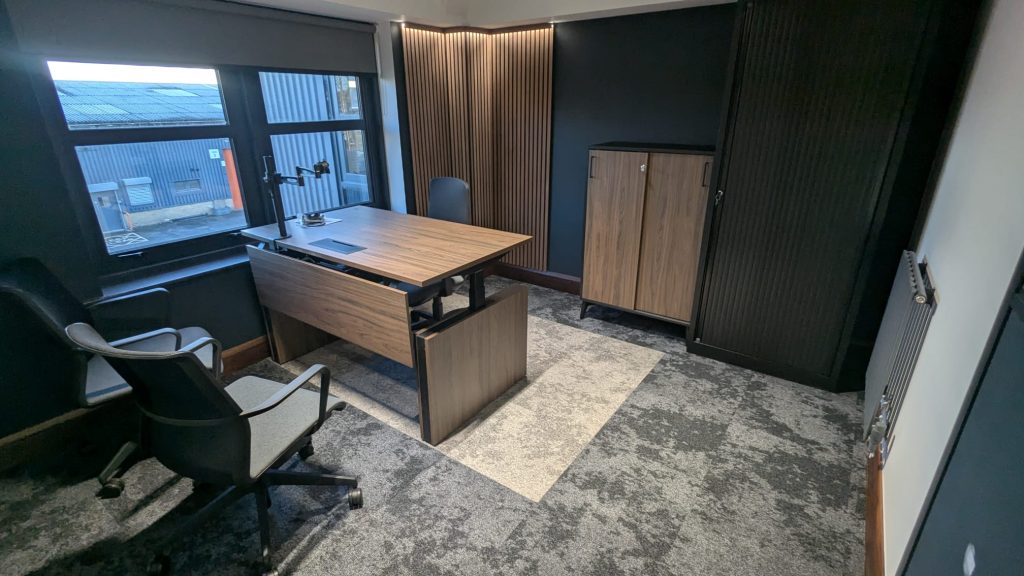
Brownridge Transport
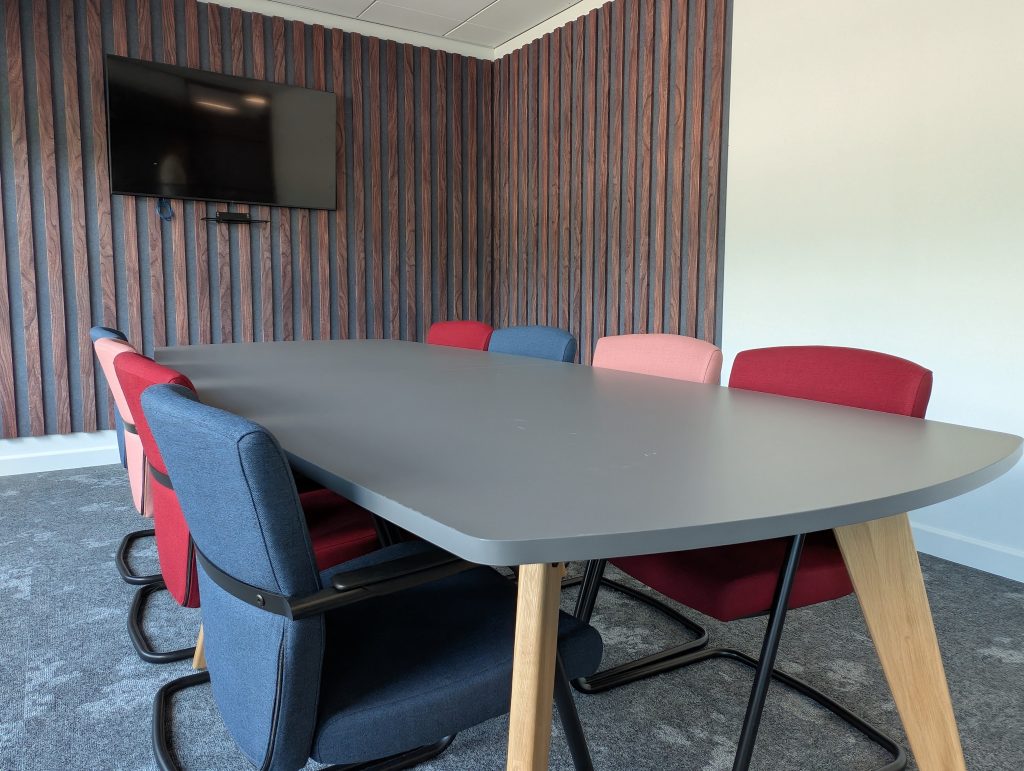
Newsquest Warrington
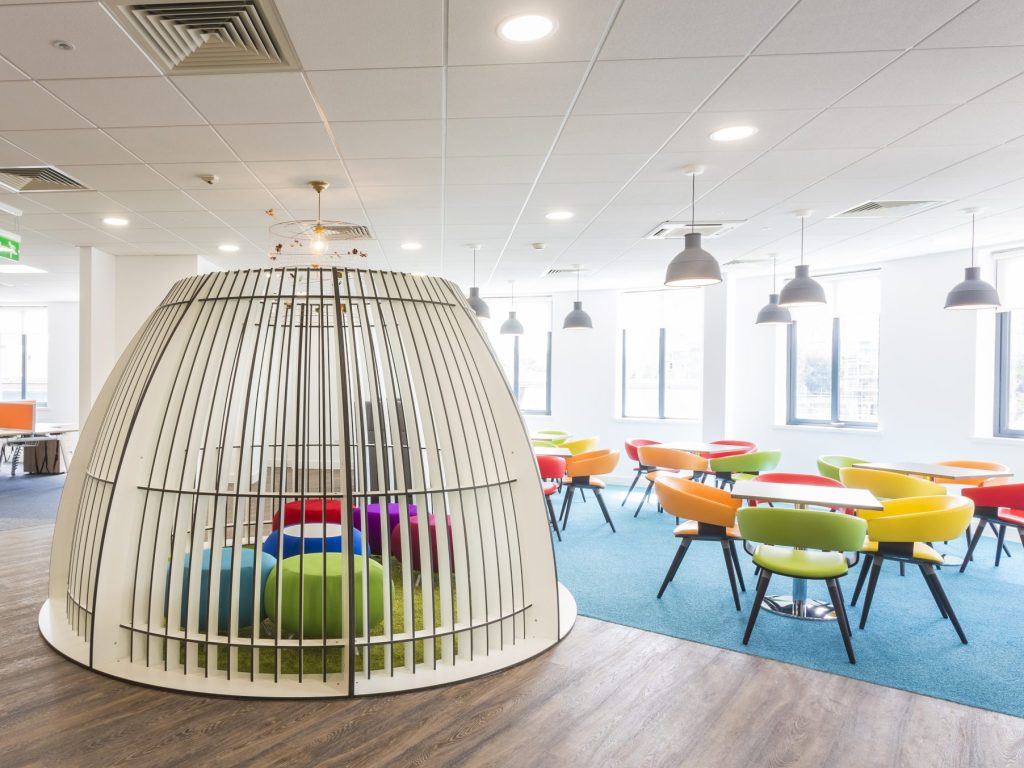
Provident Financial
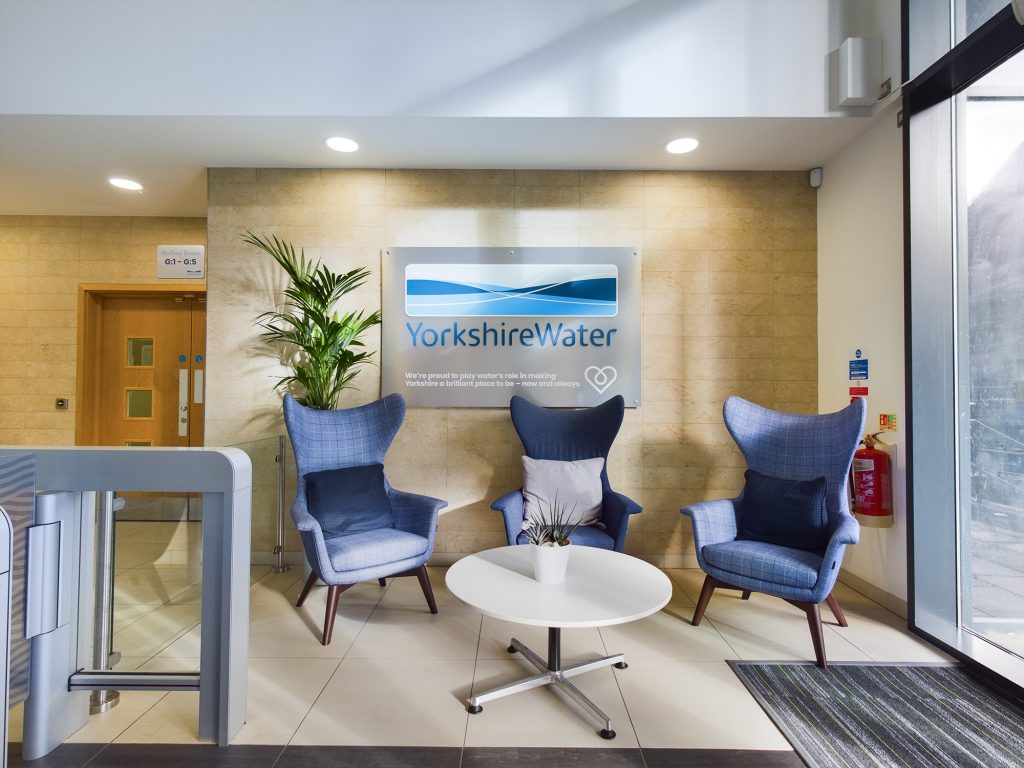
Yorkshire Water
Speak to the Richardsons team about hybrid office design
We’ll manage the process from start to finish, creating a unique workspace that helps you get the most out of your team.